
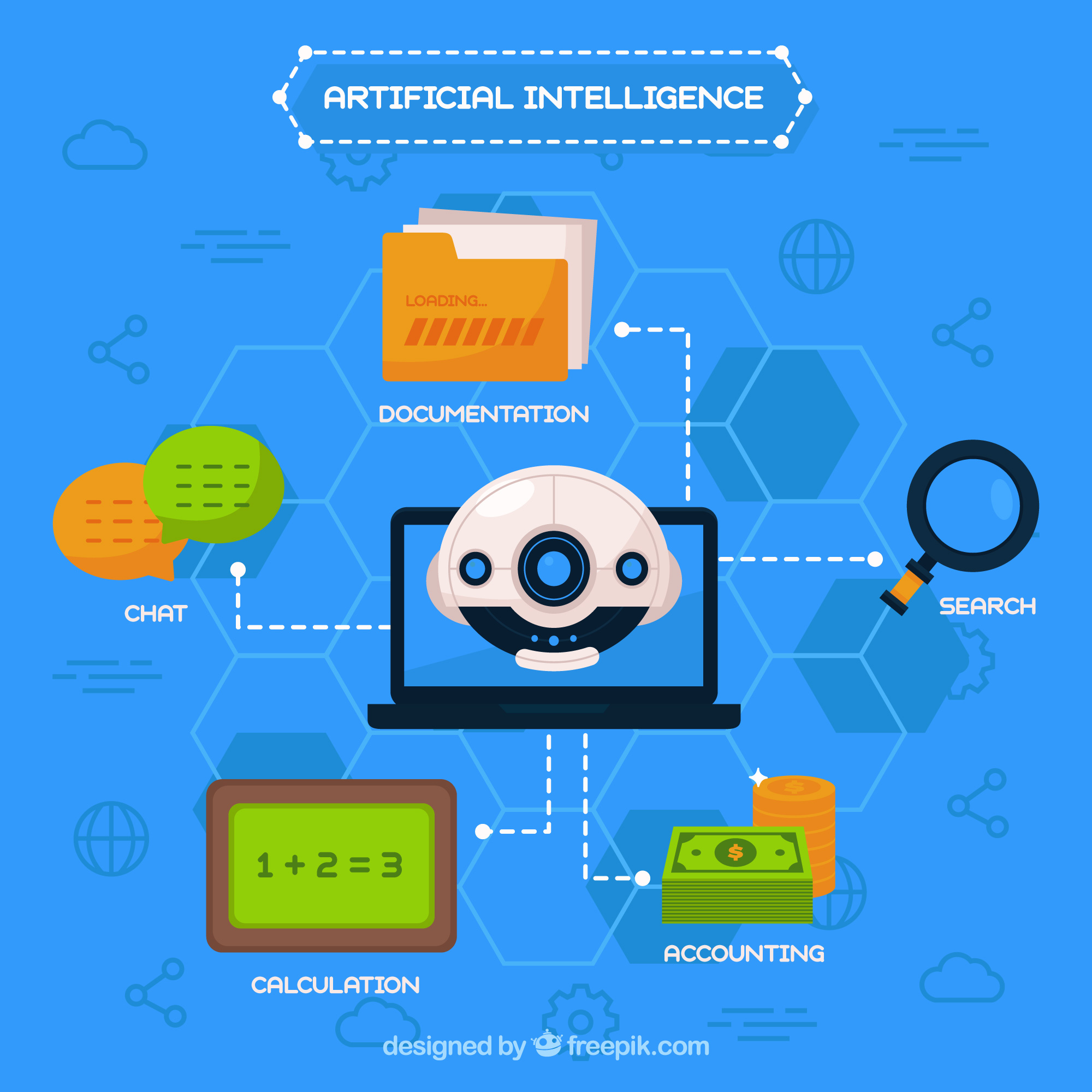

In the digital marketing ecosystem of 2025, AI lead generation has emerged as a game-changer. By harnessing the power of artificial intelligence, businesses are now able to automate, optimize, and personalize their lead acquisition strategies like never before. From predictive analytics to AI chatbots and intelligent CRM systems, the landscape of lead generation is smarter, faster, and more data-driven.
What is AI Lead Generation?
AI lead generation refers to the process of leveraging artificial intelligence technologies to identify, attract, and convert potential customers. Instead of relying on manual outreach or generic marketing campaigns, AI tools use data analysis, machine learning, and automation to deliver smarter and more targeted lead acquisition.
Core Technologies Involved
- Natural Language Processing (NLP): Analyzes customer conversations and text data.
- Predictive Analytics: Forecasts which leads are most likely to convert.
- Machine Learning: Continuously learns from data to improve targeting.
- Chatbots: Interact with users in real-time and qualify leads.
- AI-powered CRMs: Automate and personalize lead nurturing.
Why AI is Crucial for Modern Lead Generation
Traditional lead generation tactics are time-consuming, expensive, and often ineffective. In contrast, AI lead generation enables real-time analysis of vast amounts of data to deliver:
- Personalized customer experiences.
- Enhanced segmentation.
- Accurate lead scoring.
- Automated outreach.
As customer expectations rise, AI provides the edge businesses need to stay competitive in an increasingly crowded digital marketplace.
Read More about Marketing
Top AI-Powered Lead Generation Tools in 2025
Let’s take a look at some of the best AI lead generation tools being used by top-performing businesses:
1. Drift
A conversational AI platform that uses chatbots to qualify and convert leads on your website in real time.
2. Exceed.ai
Automates lead follow-up with intelligent, human-like email conversations and integrates seamlessly with CRM systems.
3. Cognism
Provides accurate B2B contact data, combined with AI to identify high-conversion potential prospects.
4. Seamless.AI
Enables users to build accurate lead lists using real-time data and AI filters.
5. HubSpot with AI Enhancements
HubSpot’s CRM now integrates AI features to provide lead scoring, email personalization, and sales forecasting.
6. LeadiQ
A sales prospecting tool that uses AI to enrich lead data and optimize outreach timing.
Key Benefits of Using AI in Lead Generation
Here are the top reasons why businesses are adopting AI lead generation strategies in 2025:
1.Efficiency & Automation
AI eliminates manual tasks like data entry, lead research, and follow-ups—freeing up your sales and marketing team.
2. Improved Targeting
AI analyzes customer behavior and demographics to create hyper-targeted campaigns.
3. Data-Driven Insights
Get real-time analytics on which channels and messages are driving the best results.
4. Smarter Lead Scoring
Machine learning algorithms assign scores to leads based on likelihood to convert, helping prioritize follow-ups.
5. Higher Conversion Rates
With personalized messaging and faster response times, AI boosts overall engagement and conversion.
Popular Use Cases of AI in Lead Generation
AI in lead generation is being applied across various touchpoints:
1. Website Chatbots
AI-powered chatbots can engage visitors 24/7, qualify leads, and direct them to the right resources or team.
2. Predictive Lead Scoring
AI uses behavioral data (like time on site, email engagement) to rank leads based on conversion potential.
3. Email Personalization
Tools like Smartwriter or Copy.ai use AI to generate hyper-personalized email copy that drives higher engagement.
4. Social Media Lead Capture
AI tools can track and analyze social interactions to identify potential leads and automate engagement.
5. Voice Assistants
AI voice tech (like Alexa Skills or Google Assistant) can assist in gathering lead data via voice-based interactions.
Best AI Lead Generation Strategies for 2025
Implement these AI-powered strategies to accelerate your lead pipeline:
1. Combine CRM with AI
Integrate AI into your CRM to automate follow-ups, score leads, and provide personalized touchpoints.
2. Use Behavioral Intent Data
AI tools like 6sense or Bombora track buyer intent across websites to help you target in-market leads early.
3. Dynamic Website Personalization
AI can adjust website content based on visitor behavior, location, and interest to drive engagement.
4.A/B Testing with AI
Use AI to run, monitor, and optimize multiple ad or email variations automatically.
5. AI Chatbots with NLP
Deploy intelligent bots on high-intent pages (like pricing or demo pages) to capture and convert visitors.
Challenges and Ethical Considerations
Despite its benefits, AI lead generation comes with its own set of challenges:
1. Data Privacy
AI relies on user data-businesses must comply with GDPR, CCPA, and other data protection laws.
2. Bias in Algorithms
Poor training data can lead to biased AI decisions, affecting lead scoring accuracy and fairness.
3.Over-Automation
Too much automation can lead to robotic interactions that lack the human touch, hurting brand trust.
4. Cost of Implementation
Some AI tools and platforms may require a significant upfront investment for integration and training.
Future Trends in AI Lead Generation
Here’s where the industry is heading in the coming years:
1. Hyper-Personalized Marketing at Scale
AI will enable 1:1 personalization across email, website, and ads, even for thousands of leads.
2. AI Voice Search Optimization
With voice search on the rise, optimizing lead gen content for voice assistants will become essential.
3. AI + Web3 Integration
Blockchain + AI could lead to more secure and decentralized lead generation ecosystems.
4.Real-Time Conversational Intelligence
AI tools will provide insights during live sales calls, helping reps adapt their pitch on the fly.
5. Emotion AI
AI will soon be able to detect emotional cues via voice or text and tailor responses accordingly.
Final Thoughts
AI lead generation is no longer a futuristic concept-it’s here, and it’s transforming the way we do business. With the right tools and strategies, companies can streamline their marketing, reach the right audience, and close more deals, faster.