
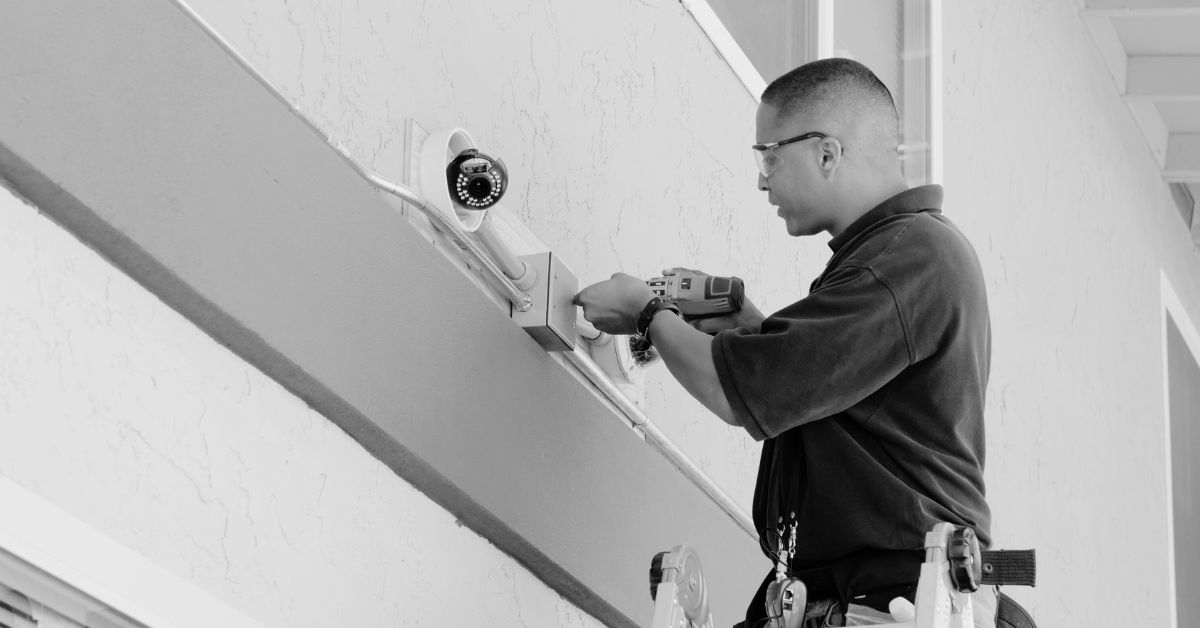

For businesses of all sizes, security is no longer optional—it’s a necessity. With rising risks of theft, vandalism, and workplace disputes, commercial camera installation has become a critical step toward ensuring business continuity and safety. Installing a reliable surveillance system not only deters criminal activity but also improves employee accountability and customer confidence.
If you’re planning to install cameras in your commercial property this year, this guide will walk you through the benefits, installation process, and best practices for maximizing your investment.
Why Commercial Camera Installation Matters
Businesses across industries rely on security camera systems to create safer environments. Here’s why they’re essential:
- Crime Deterrence: Visible cameras discourage theft and vandalism.
- Employee Safety: Protect staff and provide peace of mind.
- Operational Oversight: Monitor daily activities and workflow efficiency.
- Legal Protection: Record evidence for liability claims or disputes.
- Customer Trust: A secure environment builds confidence for clients and visitors.
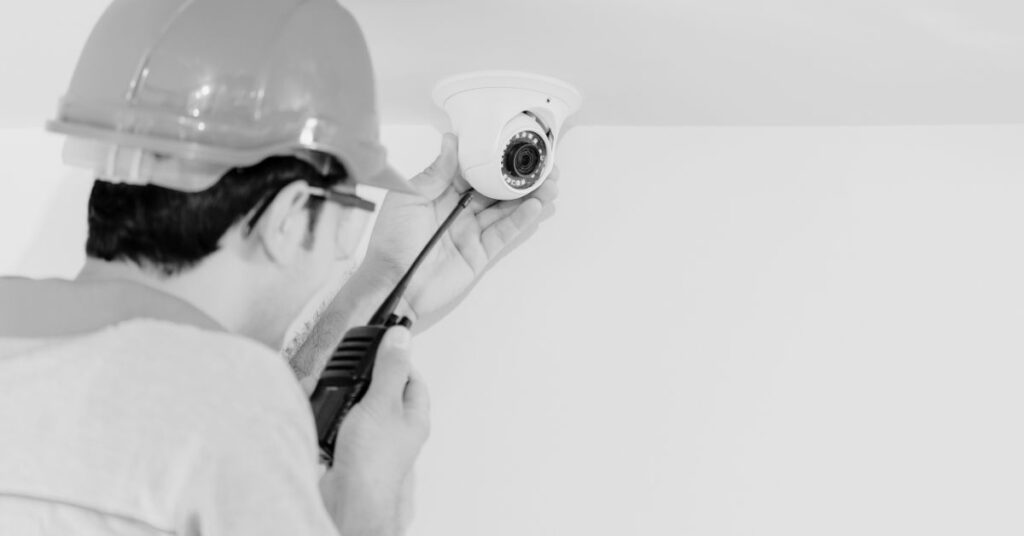
Key Features of Commercial Security Cameras
When planning a commercial camera installation, these features are must-haves:
1. High-Resolution Imaging
Opt for 4K or higher resolution to capture fine details in large spaces like warehouses, offices, or retail stores.
2. Wide-Angle Lenses
Cameras with 120°–180° fields of view help cover more area with fewer devices.
3. Night Vision & Low-Light Performance
Essential for 24/7 monitoring in both indoor and outdoor environments.
4. Smart Motion Detection
AI-powered alerts minimize false triggers and ensure relevant notifications.
5. Scalable Storage Solutions
Use a combination of cloud storage and on-site NVR systems to balance accessibility and security.
6. Durability & Weatherproofing
Outdoor commercial sites require cameras with IP66+ ratings to withstand harsh weather.
Steps for Successful Commercial Camera Installation
A professional installation ensures your cameras provide maximum coverage and efficiency.
Step 1: Assess Security Needs
- Identify vulnerable areas: entrances, exits, parking lots, cash registers, storage areas.
- Determine the number of cameras required based on coverage needs.
Step 2: Select the Right Cameras
- Dome Cameras: Great for indoor monitoring.
- Bullet Cameras: Ideal for long-range outdoor coverage.
- PTZ Cameras: Perfect for large areas needing adjustable viewing angles.
Step 3: Plan Cabling & Connectivity
- Choose between wired systems (more reliable, ideal for large facilities) or wireless systems (flexible and cost-effective).
Step 4: Install and Position Cameras
- Mount cameras at least 10–12 feet high.
- Avoid direct sunlight and reflective surfaces.
- Ensure coverage overlaps to eliminate blind spots.
Step 5: Configure & Test the System
- Set up motion zones and alerts.
- Test remote access features on mobile or desktop apps.
- Ensure backup power support with UPS systems.
Common Mistakes in Commercial Camera Installation
- Placing cameras too high or too low, reducing clarity.
- Overlooking blind spots in hallways or large open areas.
- Using consumer-grade cameras instead of commercial-grade.
- Failing to secure network connections against cyber threats.
Professional vs. DIY Installation
- DIY Installation: Cost-effective for small businesses but requires technical skills.
- Professional Installation: Recommended for medium to large facilities; ensures proper setup, scalability, and compliance with local regulations.
Maintenance Tips for Commercial Security Cameras
- Clean lenses regularly for clear footage.
- Check power and connectivity weekly.
- Update firmware to protect against cyberattacks.
- Schedule annual professional inspections for optimal performance.
Final Thoughts
Investing in commercial camera installation is one of the most effective ways to protect your business assets, employees, and customers. With advanced features like AI detection, remote monitoring, and 4K resolution, today’s cameras offer unmatched reliability and performance.
Commercial camera installation is no longer just a security upgrade—it’s a business essential. From deterring theft and vandalism to improving workplace safety and compliance, surveillance systems offer a wide range of benefits that go beyond simple monitoring.
For complete coverage, consider integrating your business system with the best outdoor security camera to strengthen security across both indoor and outdoor environments.
Read More About This: https://typlist.com/category/tech/