
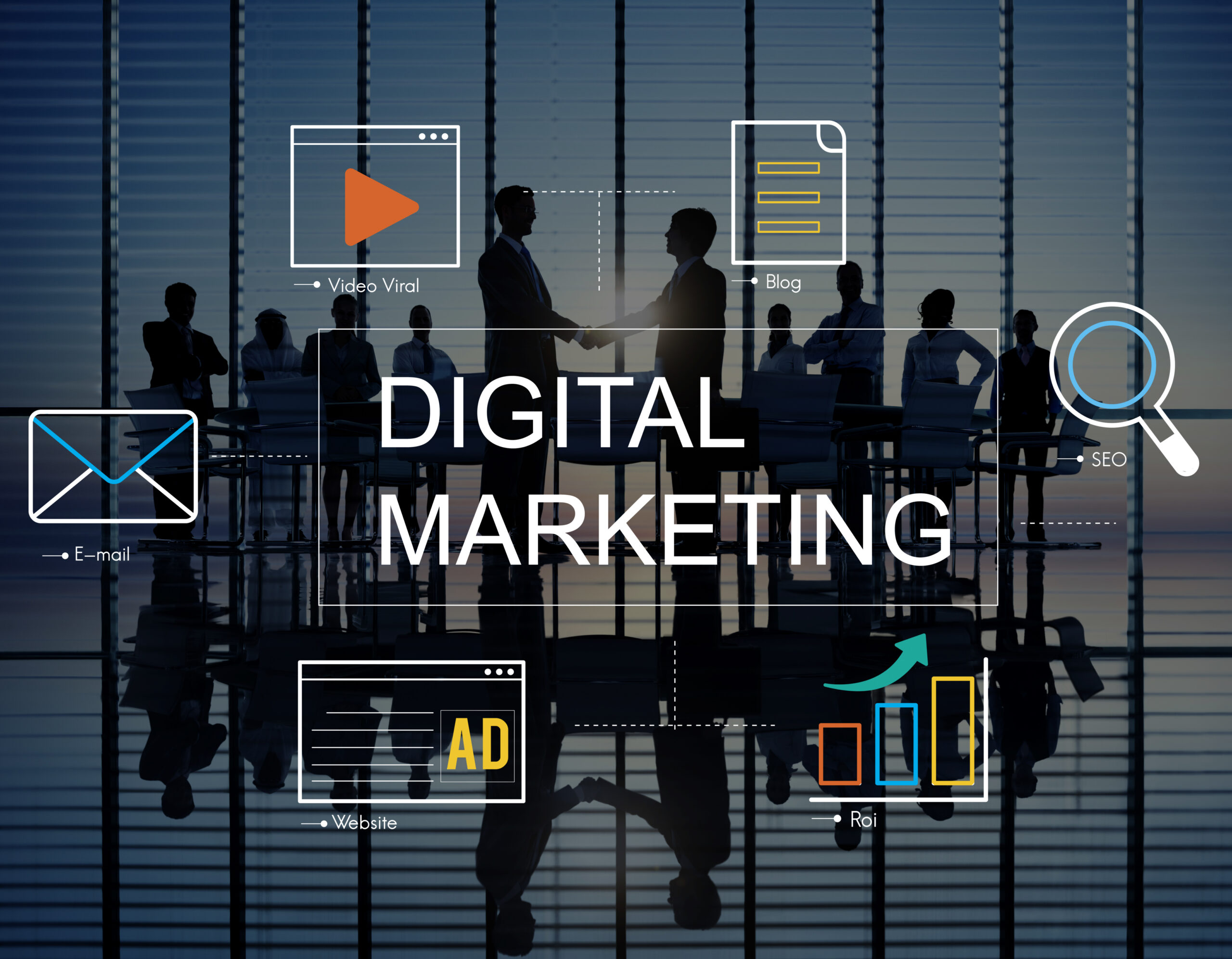

Digital marketing campaigns have become a core part of how businesses connect with their audience, promote their offerings, and drive measurable results. In a digital-first environment, campaigns are no longer limited to single channels. They span across multiple platforms, combining content, data, and technology to create cohesive and impactful experiences.
A well-executed digital marketing campaign ensures that brands reach the right audience with the right message at the right time. It focuses on delivering value, building relationships, and guiding users through a journey that leads to meaningful action. At ibs fulcro, digital marketing campaigns are designed as integrated solutions that combine marketing, technology, and analytics to deliver consistent and performance-driven outcomes.
What are Digital Marketing Campaigns
Digital marketing campaigns are structured marketing efforts that use digital channels to achieve specific business objectives. These objectives may include increasing brand awareness, generating leads, driving website traffic, or improving conversions.
Unlike isolated marketing activities, campaigns are planned initiatives with defined goals, timelines, and strategies. They involve multiple elements such as content creation, channel selection, audience targeting, and performance tracking.
Digital marketing campaigns typically include:
- Social media campaigns
- Email marketing campaigns
- Search engine marketing
- Content marketing initiatives
- Paid advertising campaigns
Each component works together to create a unified and effective marketing effort.
Why Digital Marketing Campaigns Matter
Digital marketing campaigns play a critical role in driving business growth by enabling brands to connect with their audience in a targeted, measurable, and scalable manner. Unlike traditional marketing approaches, digital campaigns allow businesses to reach users across multiple platforms, track interactions in real time, and optimize performance continuously.
In today’s competitive environment, visibility alone is not enough. Brands need to engage audiences with relevant, personalized, and meaningful communication. Digital marketing campaigns make this possible by combining data, content, and technology to create structured communication journeys that guide users from awareness to conversion.
These campaigns help improve visibility by reaching audiences across various platforms such as social media, search engines, websites, and email. They enhance engagement by delivering content that aligns with user preferences and behavior. They also drive conversions by guiding users through a well-defined journey that encourages action.
Key benefits include:
- Improved Brand Awareness and Visibility – Campaigns increase brand exposure by reaching a wider and more relevant audience.
- Better Audience Targeting and Personalization – Data-driven insights allow brands to tailor messaging for specific audience segments.
- Measurable Performance and ROI Tracking – Digital tools provide detailed metrics to evaluate campaign effectiveness.
- Increased Engagement and Interaction – Interactive content encourages user participation and builds stronger connections.
- Higher Conversion Rates – Structured communication helps guide users toward desired actions.
By leveraging digital channels effectively, businesses can achieve both short-term performance gains and long-term brand growth.
Key Elements of Digital Marketing Campaigns
Clear Objectives
Every successful digital marketing campaign begins with clearly defined objectives. These objectives provide direction and ensure that all campaign activities are aligned with business goals. Objectives may include increasing brand awareness, driving website traffic, generating leads, or boosting sales.
Clear goals also help in measuring performance and determining whether the campaign has achieved its intended outcomes.
Audience Targeting
Understanding the target audience is essential for delivering effective campaigns. This involves analyzing demographics, interests, online behavior, and purchasing patterns.
By identifying specific audience segments, brands can create personalized messaging that resonates more effectively, leading to higher engagement and improved results.
Content Strategy
Content is the foundation of any digital marketing campaign. It includes visuals, text, videos, and interactive elements that communicate the campaign message.
A strong content strategy ensures that content is relevant, engaging, and aligned with the audience’s needs. High-quality content improves engagement and strengthens brand credibility.
Channel Selection
Choosing the right channels is critical for reaching the intended audience. Different platforms such as social media, search engines, and email serve different purposes and audiences.
Selecting the appropriate mix of channels ensures that the campaign message is delivered effectively and reaches users at the right time.
Creative Execution
Creative execution brings the campaign to life. It involves designing visuals, crafting messaging, and creating storytelling elements that capture attention.
Strong creative execution not only attracts users but also enhances engagement and makes the campaign more memorable.
Performance Tracking
Tracking campaign performance is essential for understanding its effectiveness. Metrics such as engagement, website traffic, click-through rates, and conversions provide valuable insights.
Continuous monitoring allows brands to optimize campaigns and improve results over time.
Types of Digital Marketing Campaigns
Social Media Campaigns
Social media campaigns focus on platforms such as Instagram, Facebook, LinkedIn, and Twitter to engage audiences and build brand presence. These campaigns encourage interaction through likes, comments, shares, and direct engagement.
Email Marketing Campaigns
Email campaigns enable direct and personalized communication with users. They are effective for nurturing leads, sharing updates, and driving conversions through targeted messaging.
Search Engine Marketing Campaigns
Search engine campaigns include both paid advertising and search engine optimization. They help improve visibility on search engines and attract users actively searching for relevant products or services.
Content Marketing Campaigns
Content marketing campaigns focus on creating valuable and informative content such as blogs, videos, and articles. These campaigns help build authority, educate audiences, and drive long-term engagement.
Influencer Marketing Campaigns
Influencer campaigns leverage trusted individuals to promote products or services. They help expand reach, build credibility, and connect with niche audiences.
Performance Marketing Campaigns
Performance campaigns focus on measurable outcomes such as leads, clicks, and conversions. They rely heavily on data and continuous optimization to achieve results.
Digital Marketing Campaign Strategy
A well-defined digital marketing campaign strategy serves as the foundation for achieving consistent and measurable results. Without a structured approach, campaigns can become fragmented, inconsistent, and ineffective. A strong strategy ensures that every element of the campaign works together toward a common objective while maintaining clarity, relevance, and impact.
Define Campaign Goals
Setting clear and measurable goals is the first and most critical step in campaign planning. Goals provide direction, define success, and help align all campaign activities with business objectives.
These goals may include increasing brand awareness, improving audience engagement, generating qualified leads, driving website traffic, or boosting conversions and sales. Clearly defined goals allow businesses to track performance effectively and ensure that every action contributes to achieving desired outcomes.
Well-structured goals also enable teams to prioritize efforts, allocate resources efficiently, and maintain focus throughout the campaign lifecycle.
Understand the Audience
Understanding the target audience is essential for creating campaigns that resonate and deliver results. This involves analyzing demographics, interests, online behavior, purchasing patterns, and pain points.
Audience insights help brands tailor messaging, select appropriate channels, and design content that aligns with user expectations. By segmenting audiences into specific groups, businesses can create personalized experiences that improve engagement and conversion rates.
A deep understanding of the audience also allows brands to anticipate needs and deliver relevant communication at the right time.
Develop Campaign Message
The campaign message is the central idea that drives all communication efforts. It should clearly communicate the brand’s value proposition and be aligned with the campaign objectives.
A strong message is simple, compelling, and easy to understand. It should address audience needs, highlight benefits, and encourage action. Consistency in messaging across all platforms ensures clarity and strengthens brand identity.
Effective messaging not only captures attention but also builds trust and influences decision-making.
Select Channels
Choosing the right channels is critical for delivering the campaign message effectively. Different platforms serve different purposes and attract different audience segments.
Brands must evaluate where their target audience is most active and select channels accordingly. This may include social media platforms, search engines, email marketing, websites, and paid advertising channels.
A well-balanced mix of channels ensures maximum reach, better engagement, and improved campaign performance.
Create Content
Content is the backbone of any digital marketing campaign. It includes visuals, written content, videos, infographics, and interactive elements that communicate the campaign message.
High-quality content should be engaging, relevant, and aligned with audience expectations. It should capture attention quickly, deliver value, and encourage interaction.
Consistency in content style, tone, and messaging strengthens brand identity and improves recognition across platforms.
Execute Campaign
Campaign execution involves launching and managing the campaign across selected channels. This stage requires coordination, planning, and attention to detail to ensure that all elements are delivered effectively.
Execution includes scheduling content, managing advertisements, engaging with audiences, and ensuring that all communication aligns with the campaign strategy.
Effective execution ensures that the campaign reaches the intended audience and achieves its objectives.
Monitor Performance
Monitoring performance is essential for understanding how the campaign is performing in real time. Key metrics such as engagement, reach, traffic, click-through rates, and conversions provide valuable insights.
Continuous monitoring allows brands to identify trends, detect issues, and make data-driven adjustments to improve results.
Analyze Results
Analyzing campaign results provides a comprehensive understanding of performance. It helps identify strengths, weaknesses, and areas for improvement.
Post-campaign analysis enables businesses to refine strategies, improve future campaigns, and achieve better long-term outcomes.
Channels Used in Digital Marketing Campaigns
Digital marketing campaigns rely on a combination of channels working together to deliver a cohesive and impactful experience. Each channel plays a unique role in reaching, engaging, and converting audiences.
Social Media Platforms
Social media platforms such as Instagram, Facebook, LinkedIn, and Twitter enable brands to connect with audiences in real time. They support content sharing, interaction, and community building.
These platforms are essential for increasing visibility, driving engagement, and creating brand awareness. Both organic and paid strategies can be used to maximize reach and impact.
Search Engines
Search engines play a critical role in improving discoverability. Through search engine optimization and paid search advertising, brands can reach users actively searching for relevant products or services.
This makes search engines one of the most effective channels for driving high-intent traffic.
Email Marketing
Email marketing allows direct and personalized communication with users. It is effective for nurturing leads, sharing updates, and building long-term relationships.
Personalized email campaigns improve engagement and drive higher conversion rates.
Websites and Landing Pages
Websites and landing pages serve as central hubs for campaign content. They provide detailed information, capture leads, and support conversions.
Optimized landing pages improve user experience and increase the likelihood of achieving campaign goals.
Paid Advertising
Paid advertising channels such as display ads, social media ads, and search ads help increase reach and target specific audience segments.
These channels are essential for scaling campaigns and achieving faster results.
Content Platforms
Content platforms such as blogs, video platforms, and publishing channels support storytelling and engagement. They provide value to audiences and help build authority over time.
Consistent content creation strengthens brand presence and supports long-term growth.
Role of Data in Digital Marketing Campaigns
Data plays a crucial role in shaping and optimizing digital marketing campaigns. It provides insights into audience behavior, campaign performance, and overall effectiveness.
Key metrics include:
- Engagement rates that indicate audience interaction
- Website traffic that reflects reach and interest
- Conversion rates that measure business impact
- Click-through rates that show user intent
By analyzing these metrics, businesses can identify patterns, understand what works, and make informed decisions. Data-driven strategies enable continuous optimization, ensuring that campaigns remain effective and efficient over time.
Challenges in Digital Marketing Campaigns
Digital marketing campaigns come with several challenges that can impact performance and outcomes. One of the primary challenges is maintaining consistency across multiple channels, as each platform requires a different approach while still aligning with the overall campaign message.
Managing large volumes of content is another challenge, as campaigns require continuous creation and distribution of content to remain relevant and engaging. This can strain resources and require efficient planning.
Adapting to changing trends and platform updates adds another layer of complexity. Digital platforms frequently evolve, requiring brands to stay updated and adjust their strategies accordingly.
Measuring performance accurately can also be difficult due to multiple touchpoints influencing user behavior. Attribution becomes complex when users interact with several channels before taking action.
Overcoming these challenges requires strategic planning, creativity, data-driven decision-making, and continuous optimization. Businesses that effectively manage these challenges are better positioned to achieve successful and impactful campaigns.
How ibs fulcro Helps
At ibs fulcro, digital marketing campaigns are designed to deliver measurable outcomes through a combination of strategic planning, creative execution, and advanced analytics.
The approach includes understanding business objectives, identifying target audiences, developing impactful messaging, and executing campaigns across multiple channels. Each campaign is continuously monitored and optimized using data-driven insights to ensure maximum effectiveness.
By integrating marketing, technology, and analytics, ibs fulcro ensures that campaigns are not only engaging but also aligned with business goals and deliver consistent results.
Best Practices for Digital Marketing Campaigns
To achieve long-term success, businesses should follow proven best practices that improve campaign effectiveness and performance.
- Define clear objectives to guide strategy and measure success
- Understand the audience to create relevant and personalized communication
- Create engaging content that captures attention and delivers value
- Use multiple channels effectively to maximize reach and engagement
- Track and optimize performance to improve results continuously
- Maintain consistency across all platforms and touchpoints
- Leverage data insights to refine strategies and enhance outcomes
Digital marketing campaigns are not just about visibility, they are about creating meaningful interactions that drive results