


Artificial intelligence (AI) is reshaping marketing by streamlining workflows, enhancing decision-making, and improving customer engagement. Marketers today can leverage a diverse range of AI tools to create content, manage social media, analyze data, and run advertising campaigns. This guide explores the best AI tools for marketing, outlines key categories, and offers practical tips on how to choose the right solutions to support your business objectives.
Introduction
The marketing landscape continues to evolve as technology integrates more deeply into everyday operations. AI tools now enable teams to generate ideas, produce content, and gain insights faster than ever before. By automating repetitive tasks and providing data-driven recommendations, these tools help businesses focus on creative and strategic initiatives. Whether you are a small business or a large enterprise, understanding which AI tools to adopt is essential for maintaining a competitive edge in 2025.
What Are AI Tools for Marketing?
AI tools for marketing combine machine learning, natural language processing, and data analytics to automate and improve various marketing tasks. They process large amounts of data to identify patterns, predict customer behavior, and generate insights that guide strategy. These platforms can help with:
- Content generation and editing: Creating blogs, social media posts, and ad copy quickly and in multiple languages.
- Social media management: Scheduling posts, managing interactions, and monitoring audience engagement.
- Search engine optimization (SEO): Analyzing keyword density, readability, and overall content structure.
- Email marketing: Personalizing campaigns and determining the best times to send messages.
- Data analytics and workflow automation: Integrating multiple platforms to ensure smooth data flow and real-time reporting.
- Ad creative development: Producing images and videos that support advertising campaigns.
The benefits include improved efficiency, greater personalization, and more precise targeting—all of which contribute to better return on investment (ROI) for marketing initiatives.
Categories of AI Marketing Tools
Different AI tools address specific needs within a marketing strategy. Here we outline the main categories and some examples within each:
1. Content Creation Tools
These platforms assist with writing, editing, and generating creative content. They can produce first drafts, suggest improvements, and even tailor language to match a brand’s tone.
- Examples: Jasper AI, Copy.ai, Anyword
2. Social Media Management Tools
Designed to manage and schedule social media content, these tools often include chatbot functionality and engagement tracking.
- Examples: Chatfuel, FeedHive
3. SEO and Content Optimization Tools
These applications help refine website and blog content to improve search engine rankings. They analyze keyword usage, structure, and competitiveness of content in real time.
- Examples: Surfer SEO, MarketMuse
4. Email Marketing and Personalization Tools
AI solutions in this category analyze customer data to determine the best times and frequencies for email sends, as well as to create personalized messaging.
- Examples: Seventh Sense, Reply.io
5. Data Analytics and Automation Tools
These tools focus on collecting, processing, and interpreting large datasets from various marketing channels. They also automate workflows by connecting multiple applications.
- Examples: Zapier, FullStory
6. Ad Creative and Video Production Tools
Tools in this category generate ad visuals and videos, often using text-to-image or text-to-video technologies. They support marketers in producing high-quality creative assets quickly.
- Examples: Synthesia, Midjourney, Headlime
7. AI Customer Engagement and Chatbots
These platforms enhance customer interactions by providing conversational agents that answer questions and guide users through the sales funnel.
- Examples: Drift, Conversica
Detailed Overview of Top AI Tools for Marketing
Below are detailed profiles of several popular AI tools that can help drive marketing success.
Jasper AI
Overview:
Jasper AI is a widely adopted content generation tool that leverages advanced natural language processing. It assists with creating blog posts, social media updates, emails, and ad copy in multiple languages. Jasper offers a suite of templates designed for different marketing formats and supports the development of content that reflects a brand’s unique style.
Key Features:
- Generates diverse text outputs based on input prompts
- Offers customizable templates for various content types
- Integrates with other tools such as Surfer SEO for improved content performance
Usage Considerations:
While Jasper AI produces quality first drafts, a human review remains essential to adjust nuances and ensure accuracy. Plans typically start at a competitive monthly rate based on usage and features.
Surfer SEO
Overview:
Surfer SEO is focused on refining online content to boost search engine rankings. It compares your content against top-ranking pages and offers practical recommendations for improvements such as keyword density, heading structure, and content length.
Key Features:
- Real-time content analysis and recommendations
- Keyword research and competitor analysis
- Integration with platforms like WordPress and Google Docs
Usage Considerations:
Surfer SEO is best suited for marketers who are serious about organic growth. Its detailed analysis helps in creating content that appeals both to readers and search engines.
Anyword
Overview:
Anyword uses AI language processing to generate and refine marketing copy. It is useful for creating ad copy, website content, and email campaigns. The platform can predict the performance of different versions of your copy, allowing you to choose the best option before launch.
Key Features:
- Predictive performance scoring for marketing text
- Supports multiple formats and channels
- Provides insights into the likely effectiveness of generated copy
Usage Considerations:
Anyword’s ability to forecast copy performance helps in reducing guesswork. Its subscription plans are structured to support both small teams and larger enterprises.
Notion AI
Overview:
Notion AI enhances the popular productivity platform by adding intelligent assistance for content drafting, idea generation, and data management. It allows users to interact with their documents and notes using natural language queries.
Key Features:
- Seamless integration with existing Notion workflows
- Instant answers and suggestions for tasks and content creation
- User-friendly interface that supports team collaboration
Usage Considerations:
Notion AI is valuable for both individual professionals and teams. Its efficiency in managing projects and content makes it a practical addition to any digital marketing toolkit.
Chatfuel
Overview:
Chatfuel is a no-code chatbot builder that automates customer interactions on platforms like Facebook Messenger. It is designed to handle common queries, provide instant responses, and guide users through the buying process.
Key Features:
- Drag-and-drop interface for building chatbots
- Integration with major messaging platforms
- Customizable conversational flows that align with brand voice
Usage Considerations:
Chatfuel is ideal for marketers looking to improve engagement and customer service on social media. The tool simplifies the creation and management of chatbots without requiring extensive technical knowledge.
Synthesia
Overview:
Synthesia is a video production platform that converts text into video content using AI-generated avatars and voiceovers. It supports multiple languages and offers a range of templates, making it easier to produce video ads, tutorials, and training materials without traditional production resources.
Key Features:
- AI-generated avatars that speak in over 140 languages
- Template library for various video formats
- Custom branding options to ensure consistency across videos
Usage Considerations:
Synthesia is particularly useful for brands seeking to produce video content quickly and cost-effectively. Its self-service model allows marketers to experiment with different formats and messaging.
Zapier
Overview:
Zapier connects over 3,000 apps and automates repetitive tasks by creating custom workflows known as “zaps.” It reduces manual data entry and streamlines processes across various platforms, ensuring that information flows smoothly between your marketing tools.
Key Features:
- Extensive app integrations for seamless data transfer
- User-friendly automation builder with pre-built templates
- Supports conditional workflows that trigger specific actions based on predefined criteria
Usage Considerations:
Zapier is highly versatile and suitable for businesses of all sizes. It offers a free tier with basic features and scalable paid plans for more complex integrations.
Seventh Sense
Overview:
Seventh Sense is designed to improve email campaign performance by analyzing recipient behavior to determine the optimal send times. It personalizes email delivery to increase open rates and engagement by tailoring the timing and frequency of messages.
Key Features:
- Analyzes individual engagement patterns
- Provides recommendations for optimal email scheduling
- Integrates with popular email marketing platforms
Usage Considerations:
This tool is particularly effective for businesses that rely heavily on email marketing. The insights provided by Seventh Sense can help fine-tune your strategy and ensure that emails reach their intended audience when they are most receptive.
Copy.ai
Overview:
Copy.ai is an AI-powered writing assistant that helps generate marketing content, including social media posts, product descriptions, and ad copy. It offers a variety of templates and creative workflows designed to spark ideas and streamline the writing process.
Key Features:
- Multiple content generation templates for different use cases
- Ability to produce several text variations from a single prompt
- Tools for refining and editing AI-generated content to better fit brand guidelines
Usage Considerations:
Copy.ai is useful for teams seeking inspiration or a quick starting point for their content. As with other generative tools, it benefits from human review to fine-tune the final output.
Read More About Marketing – Click here
How to Choose the Right AI Tool for Your Marketing Strategy
Selecting the best AI tool involves aligning the tool’s capabilities with your specific business needs. Consider the following factors when evaluating options:
- Business Goals and Needs:
Identify the core challenges you need to address—whether it’s speeding up content creation, improving social media engagement, or refining data analysis. Choose tools that directly support these objectives. - Integration and Compatibility:
Ensure the tool integrates well with your existing systems, such as your CRM, CMS, and analytics platforms. Seamless integration minimizes disruption and maximizes productivity. - Usability:
Look for solutions with intuitive interfaces and clear instructions. Tools that support natural language queries or offer drag-and-drop functionality can be easier for teams to adopt. - Scalability:
Consider whether the tool can grow with your business. Tools designed for enterprises may offer more advanced features, while those aimed at small businesses often focus on ease of use and affordability. - Cost vs. Value:
Evaluate the pricing structure in relation to the value the tool brings. Free tiers or trial periods allow you to test functionality before committing to a subscription. - Vendor Support and Training:
Good customer support and access to training resources are critical, especially when implementing new technology. Check if the vendor offers onboarding, tutorials, or community forums to help you get the most out of the tool. - Data Security and Compliance:
Ensure the tool adheres to data privacy regulations and has strong security measures in place. Protecting customer data is crucial in today’s digital environment.
By carefully considering these aspects, you can select AI tools that not only streamline your operations but also contribute to sustained growth and improved marketing performance.
Future Trends in AI Marketing
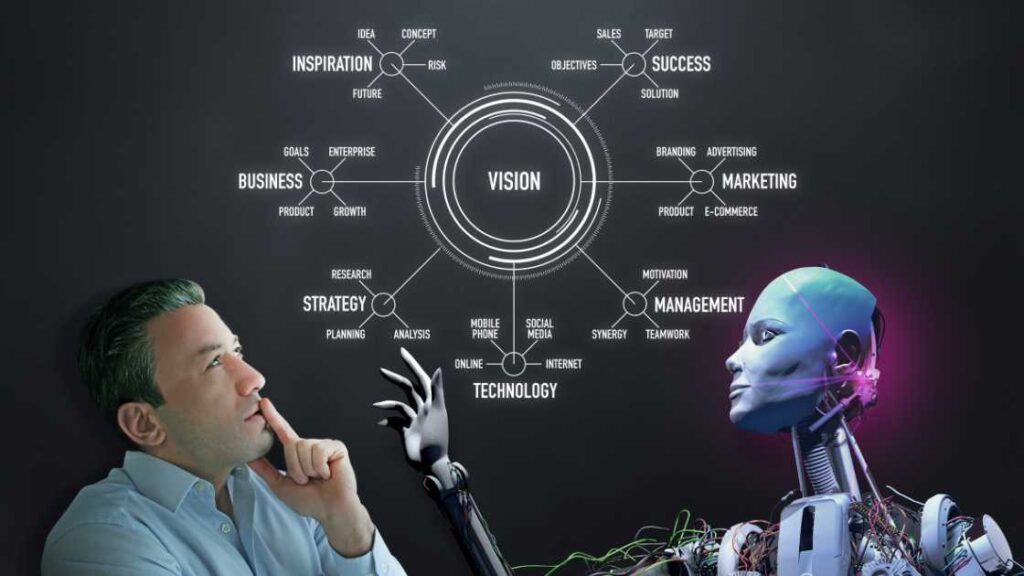
As AI technology evolves, several trends are likely to shape the marketing industry in 2025 and beyond:
- Increased Personalization:
AI will continue to refine how businesses target audiences. Using detailed customer data, future tools will deliver content and recommendations with a level of personalization that feels genuinely tailored to individual preferences. - Real-Time Analytics and Adaptive Campaigns:
Marketing platforms will increasingly offer real-time insights that allow for rapid adjustments to campaigns. This will help brands respond promptly to changing consumer behavior and market trends. - Integration with Digital Assistants:
With the growing popularity of digital assistants like Alexa and Siri, AI tools will further integrate with these platforms to provide voice-activated insights and automated responses. This shift will make data more accessible to non-technical team members. - Improved Creative Processes:
AI will continue to support creative tasks such as ad design, video production, and content generation. Tools that generate visuals and video content will become more sophisticated, enabling marketers to produce high-quality creative assets quickly. - Greater Focus on Ethics and Transparency:
As AI tools become more prevalent, issues of bias, data privacy, and transparency will take center stage. Vendors and brands will need to address these challenges to maintain consumer trust and comply with regulations. - Enhanced Workflow Automation:
The future will see even deeper automation across all marketing functions. Advanced integrations will enable a seamless flow of data between systems, reducing manual intervention and freeing up time for strategic planning.
These trends indicate a future where AI not only supports but also drives marketing strategies. Marketers who invest in these technologies today are likely to see significant benefits as the tools become more sophisticated and deeply embedded in everyday processes.
Final Thoughts
AI tools have become an essential part of the marketing toolkit, offering practical solutions that improve efficiency and deliver actionable insights. From content creation and social media management to email optimization and data automation, these technologies help marketers work smarter and achieve better results.
Evaluating your specific needs and understanding the unique features of each tool is key to selecting the right solutions for your business. As you experiment with different platforms, you will likely find that a combination of tools works best to support your overall strategy.
Staying informed about emerging trends and continually assessing the performance of your marketing stack will ensure you remain competitive in a fast-paced digital landscape. By taking a thoughtful approach to adopting AI, you can position your business for sustained growth in 2025 and beyond.
Marketers are encouraged to explore these tools, test their capabilities, and integrate those that align with their strategic goals. The future of marketing is increasingly data-driven and personalized, and AI tools are at the forefront of this shift. With careful planning and a focus on real business needs, you can turn technology into a valuable asset for your marketing efforts.
For more insights on marketing technology trends and actionable strategies, follow Typlist and stay connected with our latest updates.