
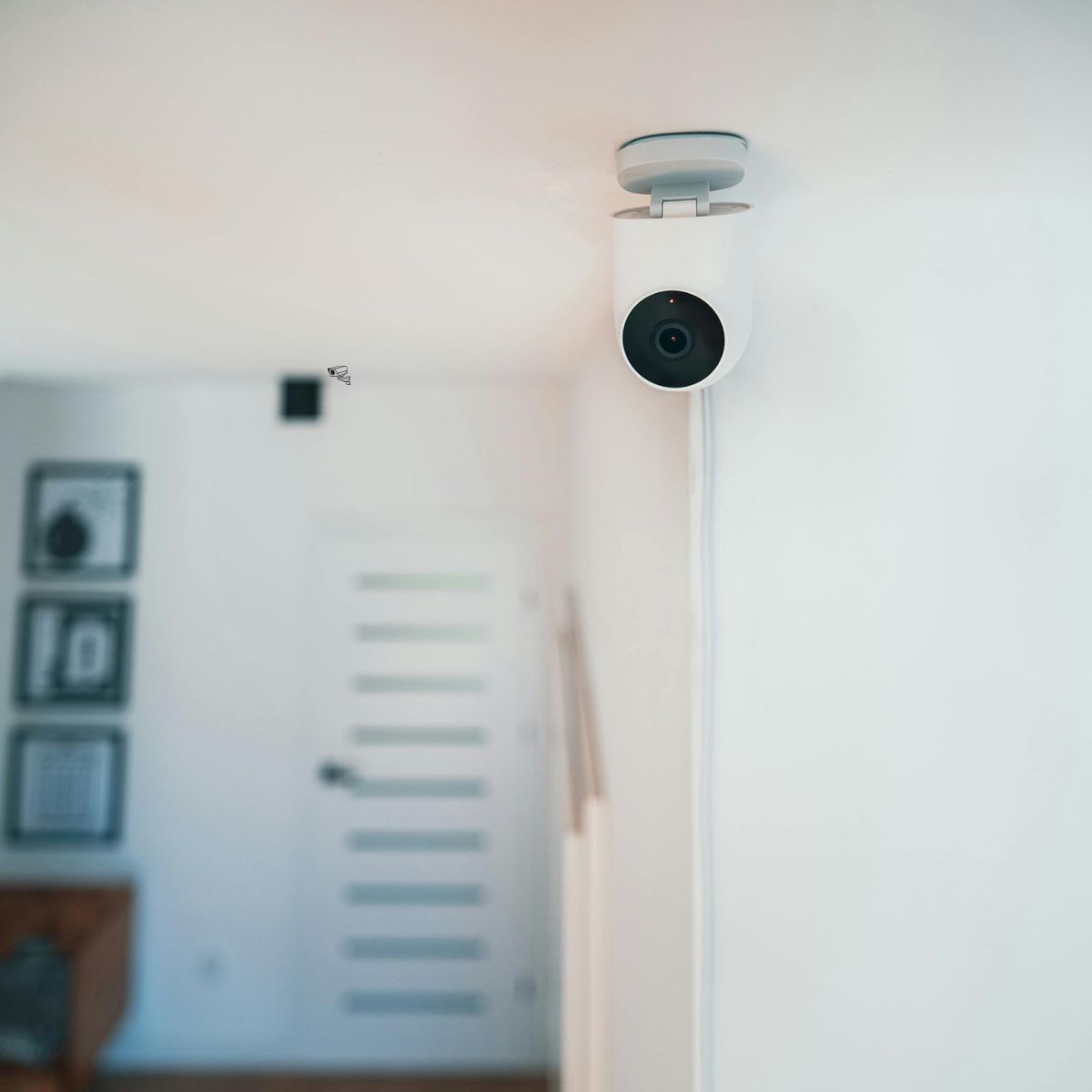

With modern threats and lifestyle changes, security is no longer just about locks and doors. A reliable indoor security camera gives you real-time awareness of what’s happening inside your home, whether you’re away for work or resting upstairs.
In 2025, indoor surveillance systems have evolved to become smarter, sleeker, and more integrated into home automation. This comprehensive guide covers everything you need to know about installing and using an indoor security camera to improve safety, convenience, and peace of mind.
What Is an Indoor Security Camera
An indoor security camera is a compact, usually wireless device designed to monitor indoor areas such as living rooms, bedrooms, entryways, nurseries, or home offices. These cameras stream or record footage, detect motion, and provide live feeds to smartphones or computers.
Unlike outdoor units, an indoor security camera focuses more on design aesthetics, audio-video clarity, and integration with home Wi-Fi networks.
Why You Need an Indoor Security Camera in 2025
The role of an indoor security camera has expanded beyond basic protection. Here’s why more families and individuals are investing in these systems:
- Keep tabs on children, elderly parents, or pets
- Monitor babysitters or service workers
- Get alerts when there’s unexpected activity
- Review footage for incidents or emergencies
- Check in remotely when away from home
As more people embrace hybrid work or travel lifestyles, indoor monitoring becomes an essential safety and convenience tool.
Features to Look For
Choosing the right indoor security camera involves understanding what features best suit your needs. In 2025, some must-have functionalities include:
- HD or 4K resolution: For sharp image quality
- Wide-angle lens: Covers more area in a single frame
- Two-way audio: Communicate through the camera
- Motion detection alerts: Sends real-time notifications
- Night vision: Allows visibility in low light
- Local and cloud storage: Options for saving recordings
- Mobile app support: Manage everything from your phone
- Privacy mode: Temporarily disables recording when desired
An indoor security camera with these features ensures thorough, adaptable monitoring.
Best Places to Install
Location is everything when setting up an indoor security camera. Ideal placements include:
- Front entry: Know who’s coming and going
- Living room: Central hub of home activity
- Baby room: Keep an eye on infants or toddlers
- Home office: Monitor sensitive spaces or equipment
- Kitchen: Watch over elderly family members or children
Place cameras at an angle and height that capture the room fully without creating blind spots.
Setup and Installation Tips
Most indoor security camera models today are designed for easy DIY installation. Here’s a basic installation process:
- Choose a stable location with a clear view
- Plug in the camera or charge the battery
- Connect it to your Wi-Fi using the app
- Position the camera on a shelf or mount it on a wall
- Adjust angles to avoid backlight glare
- Enable motion zones and alerts in settings
- Test camera feed and notifications
This simple process usually takes less than 30 minutes to complete.
Wired vs Wireless Models
You’ll typically choose between two types of indoor security camera systems:
Wired Cameras:
- Constant power
- No risk of dead batteries
- Slightly more effort to install
Wireless Cameras:
- Easy to move and reposition
- Rechargeable battery-powered
- Ideal for renters or temporary setups
Your lifestyle and home setup will help determine the better option.
Benefits of Using an Indoor Security Camera
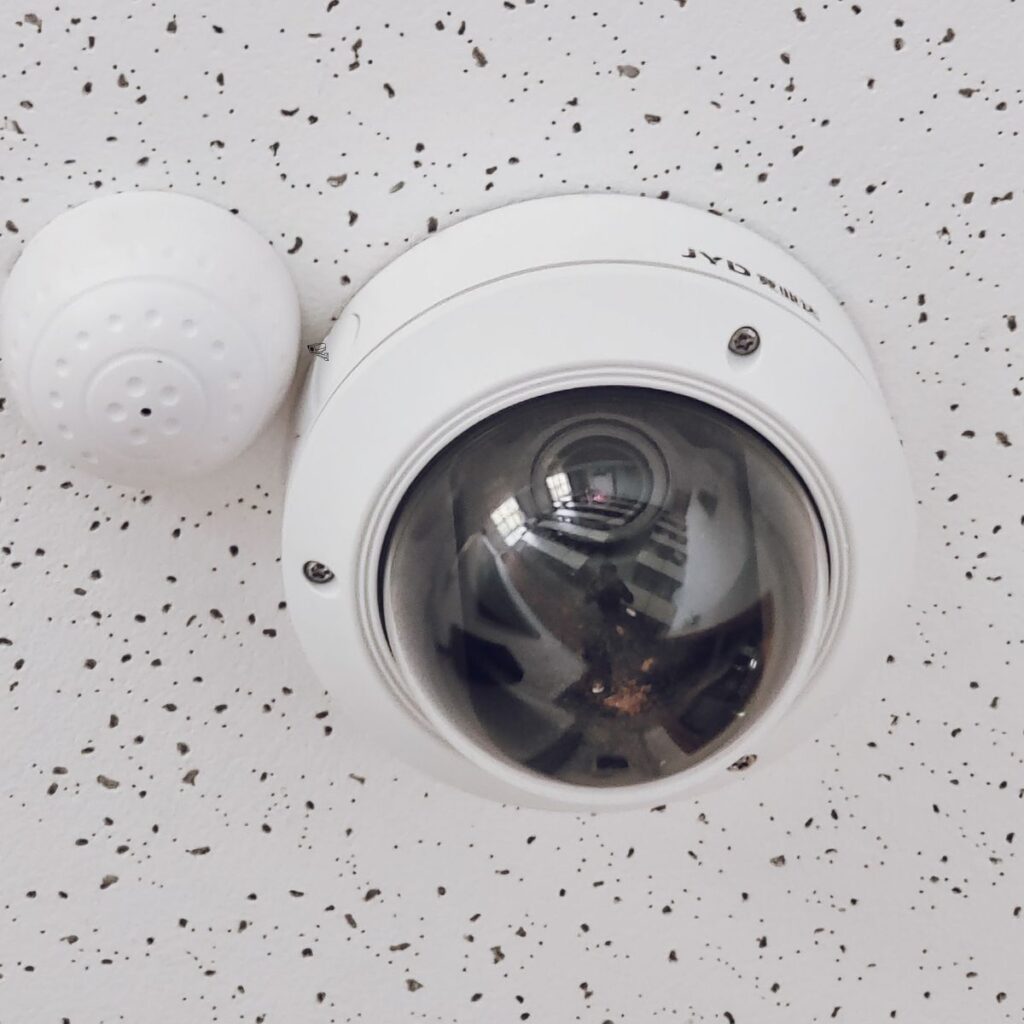
There are numerous advantages to installing an indoor security camera:
- Real-time visibility: Know what’s happening at home anytime
- Emergency alerts: Get notified instantly of movements
- Evidence collection: Useful in case of accidents or theft
- Remote care: Monitor the elderly or disabled family members
- Child and pet monitoring: Peace of mind while you’re away
- Lower insurance premiums: Some providers offer discounts
With consistent use, your indoor security camera becomes a vital part of your daily home management.
Privacy Considerations
While surveillance improves safety, it’s important to manage privacy responsibly. Best practices include:
- Positioning cameras away from private spaces like bathrooms
- Informing house guests or employees of monitoring
- Using password-protected app access
- Enabling privacy mode when you’re home
- Regularly reviewing storage and data retention settings
These steps build trust and protect against potential misuse.
How Indoor Cameras Integrate with Smart Homes
Indoor cameras in 2025 go beyond passive recording—they’re smart devices. Many integrate with systems such as:
- Google Assistant
- Amazon Alexa
- Apple HomeKit
- Smart doorbells
- Motion-activated lights
This allows you to automate routines like turning off lights when no one is detected or receiving voice alerts when someone enters a room.
Common Mistakes to Avoid
To ensure optimal results from your indoor security camera, avoid these errors:
- Pointing the lens at bright windows (causes glare)
- Ignoring firmware updates
- Forgetting to check motion sensitivity
- Not securing your Wi-Fi network
- Letting memory storage fill up unchecked
Routine checks help keep your system running smoothly.
Indoor Camera for Different Lifestyles
Different families have different needs. Here’s how an indoor security camera supports various lifestyles:
For Families:
- Baby monitor with motion and sound detection
- Pet monitoring during school or work hours
For Seniors:
- Health and safety checks for elderly parents
- Monitoring home caregivers or assistance visits
For Renters:
- Wireless setup without wall damage
- Easy to uninstall and move to a new location
For Remote Workers:
- Monitor equipment and deliveries
- Protect your home office space
This adaptability is why so many are choosing to add an indoor security camera in 2025.
Trends Shaping Indoor Cameras in 2025
The latest innovations in surveillance are shaping how indoor cameras function:
- AI-powered activity recognition
- Edge-based video processing for faster alerts
- Automated threat response systems
- Voice-assisted camera control
- Visual logs for smart home routines
The smart home of the future is powered by devices like the indoor security camera.
Final Thoughts
Whether you want to protect your home, monitor loved ones, or simply feel more secure when you’re away, an indoor security camera is a powerful tool. With easy setup, smart features, and real-time control, it enhances home safety while fitting seamlessly into your lifestyle.
Read More About This: https://typlist.com/category/tech/