
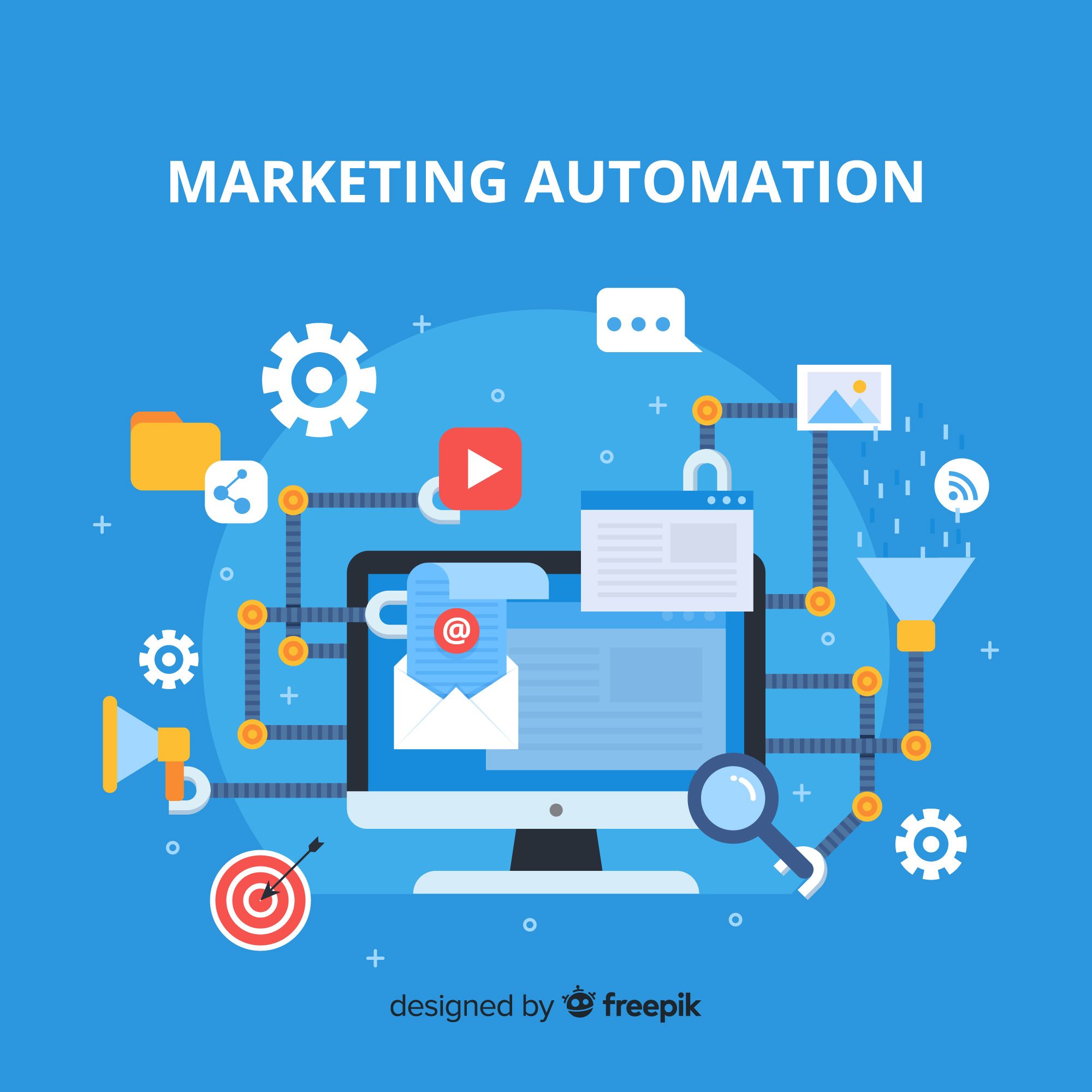

Artificial Intelligence (AI) is reshaping the marketing world, and automation tools powered by AI are at the forefront of this transformation. As businesses strive to deliver personalized experiences, optimize ad spend, and enhance customer engagement, AI marketing automation tools have become essential.
What is AI Marketing Automation?
Ai Marketing Automation refers to the use of artificial intelligence and machine learning technologies to automate repetitive marketing tasks, analyze customer behavior, and create more personalized marketing experiences.
These tools combine the power of data-driven insights with automation to:
- Schedule campaigns
- Score leads
- Personalize content
- Optimize ad targeting
- Automate email sequences and more
Why Businesses Need AI Marketing Automation Tools
The digital landscape is more competitive than ever. Marketers are under pressure to deliver ROI, scale campaigns, and provide personalized experiences.
1. Efficiency and Time-Saving
AI marketing automation tools handle repetitive tasks like email scheduling, segmentation, and data analysis, allowing teams to focus on strategy.
2. Enhanced Personalization
AI marketing automation tools, uses behavioral data and predictive analytics to craft hyper-personalized experiences across channels.
3. Better Decision Making
With real-time analytics and insights, marketers can optimize campaigns dynamically based on performance.
4. Increased Revenue
By improving targeting, nurturing leads better, and reducing manual errors, businesses see increased conversion rates and ROI.
Key Features to Look For
When evaluating AI marketing automation tools, consider these essential features:
- Predictive Analytics
Forecast outcomes, recommend next steps, and identify at-risk customers. - Personalization Engine
Create dynamic content for different customer segments based on behavior. - Multi-Channel Campaign Management
Run campaigns across email, social media, SMS, and web from a single dashboard. - Lead Scoring and Segmentation
Identify high-value leads and segment audiences more accurately. - Automated Workflows
Trigger actions like sending emails or messages based on user behavior. - A/B Testing and Optimization
Run experiments and let the AI choose winning variants.
Top AI Marketing Automation Tools in 2025
Here’s a list of the most powerful and widely adopted AI marketing automation tools in 2025.
1. HubSpot
Best For: Inbound marketing automation
HubSpot offers robust AI-powered features like smart content, predictive lead scoring, and customer journey mapping. Its integration with CRM allows marketers to deliver seamless, personalized experiences.
2. ActiveCampaign
Best For: Email marketing automation with AI
Known for its intuitive interface, ActiveCampaign uses machine learning to suggest subject lines, predict customer behavior, and automate multi-step email campaigns.
3. Salesforce Marketing Cloud
Best For: Enterprise-grade automation
With AI features via Einstein, Salesforce automates lead scoring, personalization, and segmentation across touchpoints. It also offers visual journey builders and predictive analytics.
4. Marketo Engage (by Adobe)
Best For: B2B marketing automation
Marketo’s AI capabilities include intelligent nurturing, content recommendations, and behavior-driven campaigns, ideal for long sales cycles.
5. Jasper AI
Best For: AI marketing automation tools copywriting and content automation
Jasper uses AI to generate blog posts, emails, ads, and social media content. Marketers use Jasper to scale content creation, especially for campaigns that require frequent updates.
6. Persado
Best For: AI-powered messaging
Persado analyzes language and emotion to create compelling marketing messages. It boosts engagement and conversion by selecting the right tone and emotion for each audience.
7. Ortto
Best For: Unified customer journey automation
Ortto integrates customer data, email automation, and analytics into one platform. Its AI features enhance lifecycle marketing, from lead capture to retention.
8. Drift
Best For: Conversational marketing
Drift’s AI chatbots qualify leads, book meetings, and personalize conversations in real time. It’s perfect for B2B SaaS companies looking to convert site traffic instantly.
9. Smartly.io
Best For: Social media ad automation
Smartly.io automates ad creation and performance optimization across Facebook, Instagram, and TikTok using AI. It analyzes performance data to scale winning creatives.
Read More about Marketing
Use Cases of AI in Marketing Automation
Let’s break down real-world use cases of AI tools:
1. Email Marketing
AI automates email sequences, personalizes subject lines, optimizes send times, and recommends products.
2. Lead Scoring
AI evaluates lead behavior and assigns scores, helping sales teams focus on high-value prospects.
3. Chatbots
AI chatbots like Drift handle customer queries 24/7, qualify leads, and drive engagement on websites.
4. Predictive Customer Retention
AI tools identify users likely to churn and trigger retention campaigns or personalized offers.
5. Social Media Ads
Platforms like Smartly.io use AI to A/B test creatives, optimize ad placement, and scale successful campaigns automatically.
6. Content Creation
Tools like Jasper AI and Copy.ai generate personalized ad copy, blogs, and product descriptions on demand.
How to Choose the Right Tool
It depends on your goals, size, and industry. Consider the following:
- Your Business Size & Budget
Startups might prefer ActiveCampaign or Ortto, while enterprises may benefit from Salesforce or Marketo. - Integration Capabilities
Choose tools that integrate with your CRM, analytics, and other Martech stacks. - Ease of Use
User-friendly dashboards and no-code workflow builders make adoption easier. - AI Capabilities
Look for tools offering predictive analytics, dynamic segmentation, and real-time optimization. - Customer Support & Community
Platforms with strong support, tutorials, and user communities can speed up onboarding.
Future Trends in AI Marketing Automation
As technology evolves, so do the capabilities of marketing automation tools. Here’s what to expect in the near future:
1. Hyper-Personalization
AI will dive deeper into personalization by analyzing micro-moments and real-time behavior to deliver 1:1 marketing at scale.
2. Voice and Visual AI Integration
Voice search and visual recognition will soon be integrated into automated marketing workflows, offering new channels to engage users.
3. AI-Powered Video Marketing
Video personalization using AI will grow—think AI-generated spokespersons or dynamic video ads tailored to each viewer.
4. AI Ethical Use and Data Privacy
As consumers become more aware of data usage, tools will embed stronger privacy and ethical AI frameworks.
5. Predictive and Prescriptive Intelligence
Beyond forecasting, AI tools will soon suggest and auto-execute the next best actions across campaigns.
Final Thoughts
Are no longer optional they’re essential to staying competitive in 2025 and beyond. Whether you’re a startup aiming to scale or an enterprise optimizing your global campaigns, these tools can transform your marketing operations.