
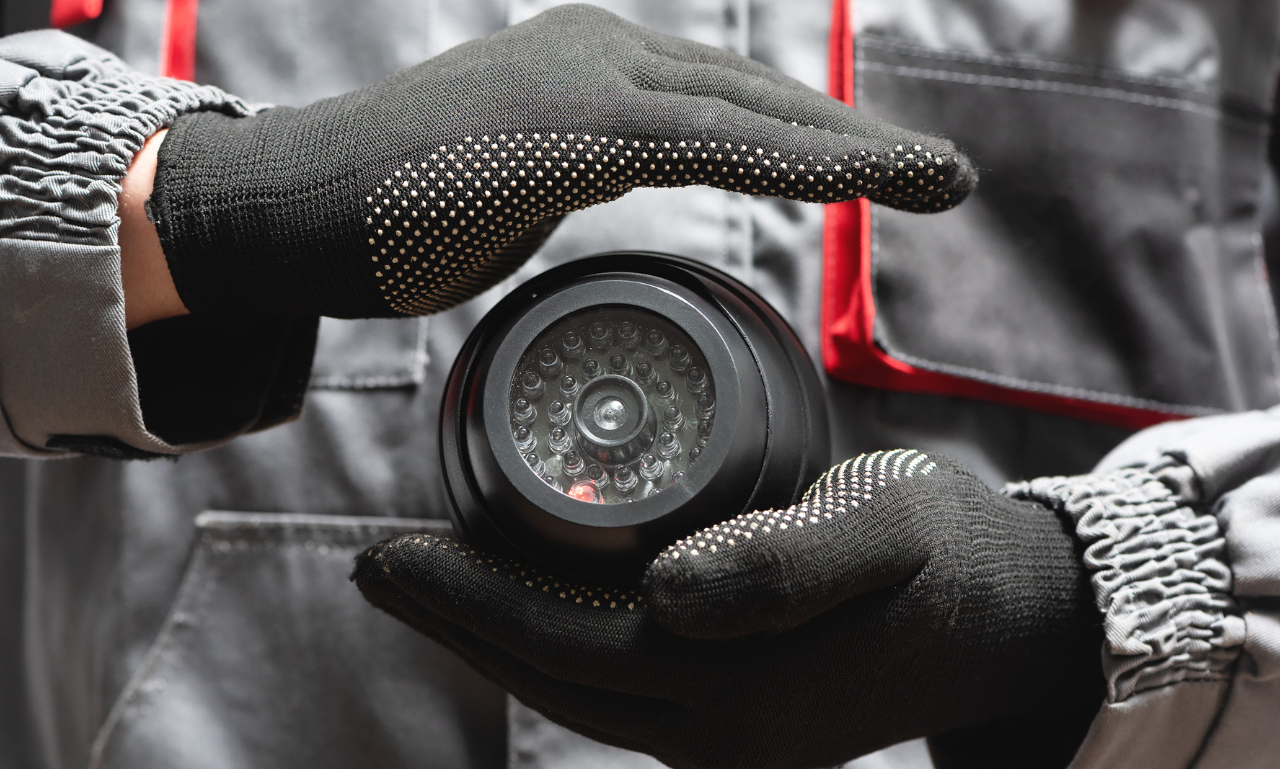

With rising safety concerns, protecting your home has never been more critical. In 2025, installing a smart camera system is one of the most effective ways to deter intruders and monitor activities around your home. The process of home security camera installation is now more accessible than ever, thanks to improved technology and DIY-friendly kits.
This guide will walk you through everything you need to know—from choosing the right camera system to step-by-step installation tips that ensure optimal protection.
Why Home Security Camera Installation Matters in 2025
As smart homes become standard and digital threats increase, having eyes on your property is essential. A proper home security camera installation gives homeowners peace of mind and round-the-clock surveillance. Whether you live in a city apartment or a suburban house, this setup allows you to:
- Monitor entry points
- Review footage in case of incidents
- Get mobile alerts about suspicious activity
- Protect packages from porch theft
- Keep an eye on family, pets, or visitors
These advantages make home security camera installation a smart investment in your family’s safety.
Choosing the Right Camera System
Before you begin installation, selecting the right camera setup is crucial. There are several types available, and the best one depends on your home layout, budget, and specific security needs.
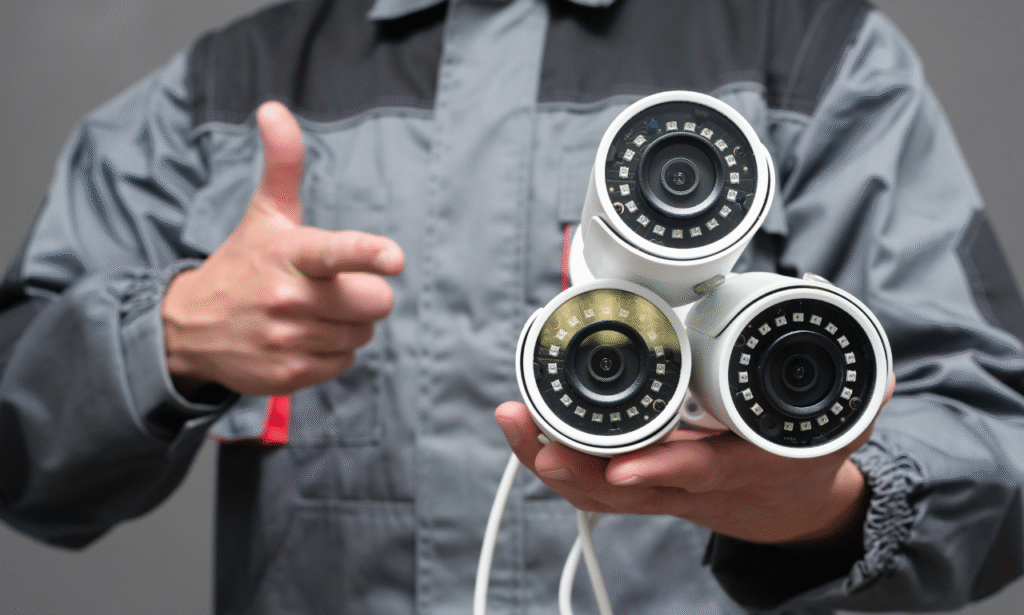
Wired Cameras:
- Reliable with consistent power
- Best for permanent setups
- Requires drilling and technical know-how
Wireless Cameras:
- Easier to install
- Powered by batteries or solar panels
- Often connected via Wi-Fi
Indoor Cameras:
- Compact design
- Ideal for monitoring rooms or hallways
Outdoor Cameras:
- Weatherproof and durable
- Equipped with night vision and motion sensors
Your home security camera installation should match your living environment for the most efficient coverage.
Tools and Equipment You’ll Need
For a successful home security camera installation, keep these tools and supplies ready:
- Drill and screwdrivers
- Wall anchors and screws
- Ethernet cables (for wired setups)
- Ladder for exterior mounting
- Mobile phone for app configuration
- Wi-Fi router with strong signal
Most modern camera kits come with mounting gear and step-by-step instructions, making the process simpler.
Ideal Placement for Cameras
Where you place your cameras directly affects how well they protect your property. Here are the top spots for effective home security camera installation:
- Front Door: Monitor visitors and deliveries
- Back Door: A common entry point for break-ins
- Garage or Driveway: Protect vehicles and access points
- First-Floor Windows: Especially those hidden from view
- Living Room or Main Hallways: Track movements inside
Cameras should be placed high enough to avoid tampering but angled properly for wide field-of-view coverage.
Step-by-Step Home Security Camera Installation
Once you’ve selected your system and tools, follow this process for installing your home cameras:
1. Plan Your Layout
Sketch a simple map of your home and decide where each camera should go. Factor in power sources and Wi-Fi range.
2. Mount the Cameras
Drill pilot holes, insert wall anchors, and screw the mounting brackets in place. Attach the camera securely.
3. Power the System
Connect to an electrical outlet, battery, or solar panel. If using PoE (Power over Ethernet), plug the cable into your router.
4. Connect to Wi-Fi
Use the camera app to link each device to your home network. Ensure a strong signal to prevent dropped footage.
5. Configure Settings
Set up motion zones, notifications, and recording preferences. Choose between cloud storage or SD card options.
6. Test the System
Walk through camera zones to ensure motion detection works and adjust angles if needed. Monitor video feeds for clarity.
Proper home security camera installation ensures every camera is optimized for both coverage and functionality.
Indoor vs. Outdoor Considerations
While both setups follow similar installation steps, a few differences are important:
Indoor:
- Focus on lighting conditions
- Use mounts that don’t damage interiors
- Prioritize privacy when placing in shared areas
Outdoor:
- Weatherproofing is essential
- Use tamper-resistant mounts
- Avoid placing cameras directly facing sunlight
These considerations help maintain system integrity and performance.
Integrating With Smart Home Systems
Many 2025 camera systems are compatible with smart assistants like Google Home, Alexa, or Apple HomeKit. This allows you to:
- View live feeds via voice command
- Receive alerts on smart displays
- Automate lighting or locks based on camera activity
Integrating your home security camera installation into a smart ecosystem provides a more unified approach to protection.
Tips for Maximizing Effectiveness
Even with advanced hardware, you can further enhance your camera system with a few simple practices:
- Clean lenses monthly for clear footage
- Update firmware regularly to patch security holes
- Create strong passwords for app access
- Review motion alerts weekly
- Save clips of suspicious activity for future use
These proactive steps keep your home security camera installation effective over the long term.
Common Mistakes to Avoid
Here are some pitfalls to watch for during installation:
- Installing cameras too high or too low
- Pointing directly into lights, causing glare
- Skipping Wi-Fi speed checks
- Forgetting to secure access with authentication
- Ignoring blind spots or shadowed areas
Avoiding these mistakes ensures better performance and fewer issues later.
Cost and ROI of Installation
Home security camera installation is more affordable than ever. Most systems range from modest DIY kits to professional-grade solutions. While exact costs vary, the return on investment is clear:
- Lower insurance premiums
- Reduced risk of theft or damage
- Peace of mind when traveling
- Evidence for law enforcement if needed
Investing in your home’s security saves you from much larger costs down the line.
Future Trends in Home Surveillance
Home security in 2025 is rapidly evolving. Some trends you can expect to shape the future include:
- AI-driven threat detection
- Cameras with built-in facial recognition
- Solar-powered models with extended battery life
- 360-degree fisheye views for larger coverage
- Encrypted cloud storage for privacy-first recording
Choosing a flexible system during your home security camera installation helps you stay ahead.
Final Thoughts
Home security camera installation is one of the smartest decisions a homeowner can make in 2025. With a variety of tools, features, and DIY options available, protecting your property has become more effective and accessible.
By following a thoughtful setup and choosing the right gear, you’re not just watching over your home—you’re securing your peace of mind.
Read More About This: https://typlist.com/category/tech/