
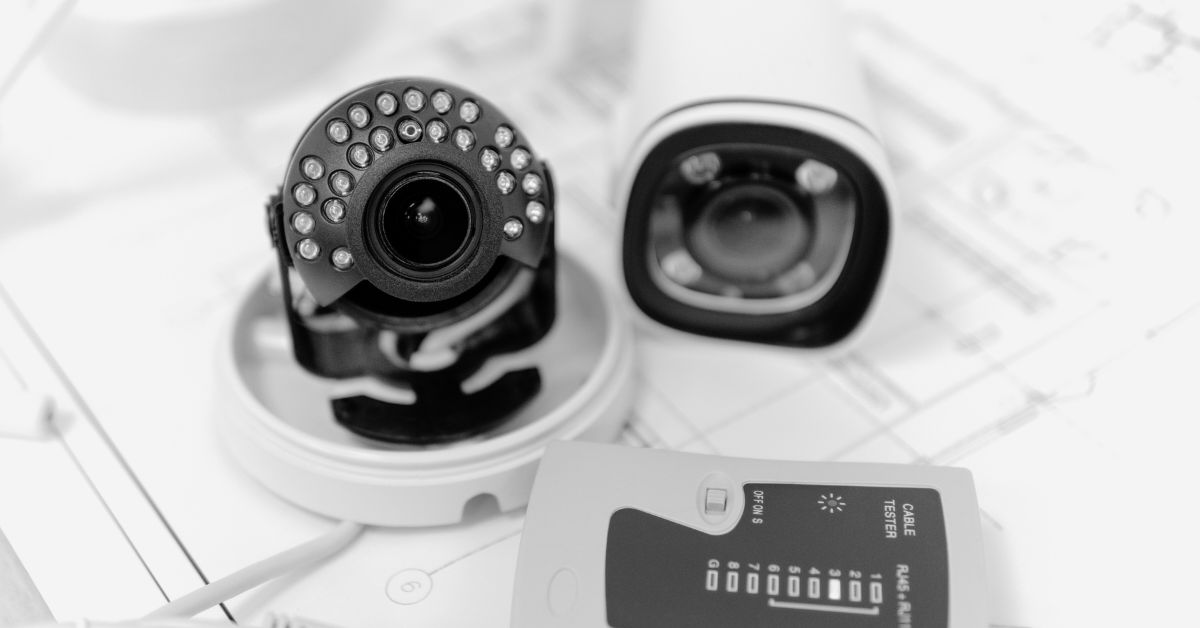

In 2025, sustainability meets security through the growing adoption of smart, wireless, solar-powered devices. A solar cctv camera is the ideal solution for areas with limited electrical access or for anyone looking to reduce their carbon footprint while boosting home or business protection.
From farms and driveways to commercial properties and remote sites, solar cameras offer flexible surveillance without the need for constant wiring or power sources. This blog covers everything you need to know about using a solar cctv camera for round-the-clock, environmentally-friendly security.
What Is a Solar CCTV Camera
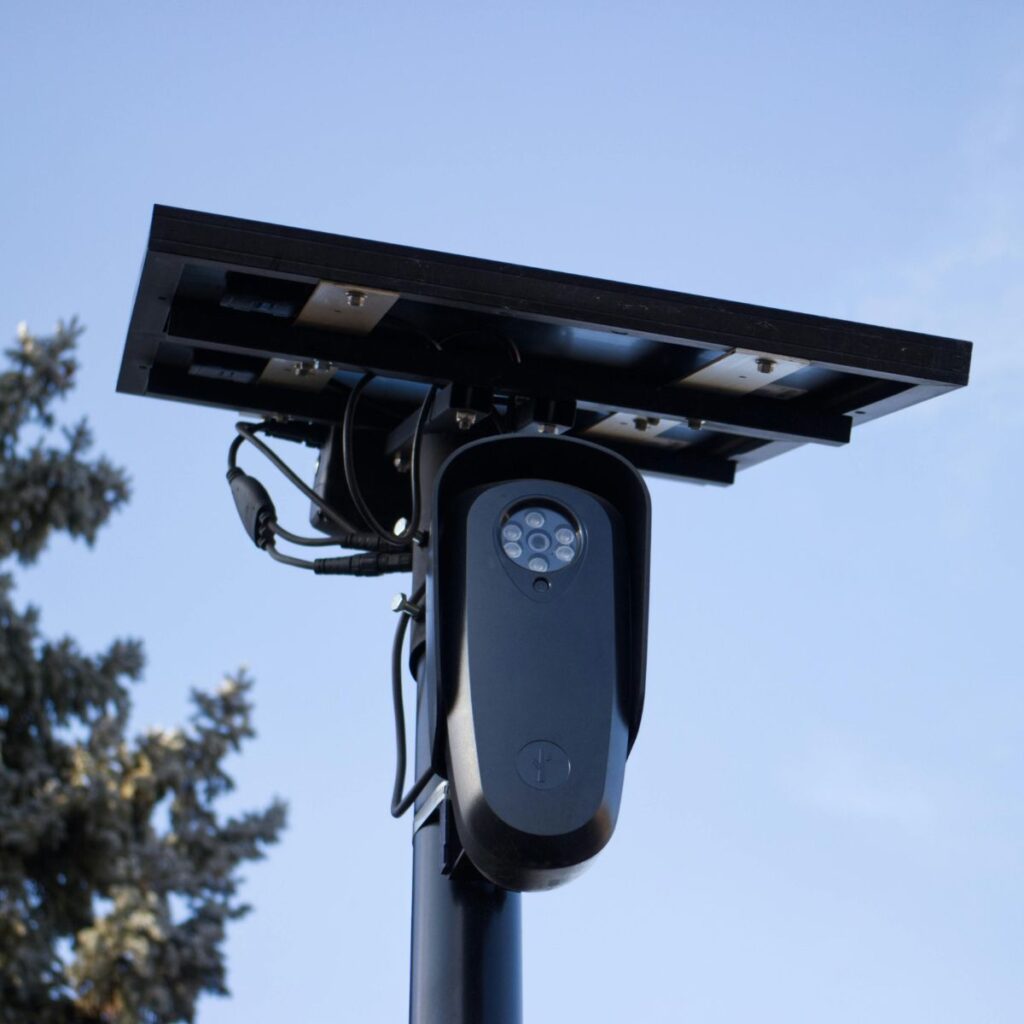
A solar cctv camera is a wireless surveillance device that draws power from the sun using an attached solar panel. This system is typically self-contained and includes a rechargeable battery that stores energy to allow 24/7 operation—even during cloudy weather or at night.
These cameras work much like traditional CCTV units but come with the added advantage of off-grid functionality. Whether you’re dealing with limited infrastructure or aiming for energy efficiency, a solar cctv camera offers a smart and sustainable solution.
Why Choose a Solar CCTV Camera in 2025
There are several compelling reasons why homeowners and businesses are making the switch to solar-based surveillance:
- No electrical wiring required
- Operates in off-grid or remote locations
- Low electricity costs
- Environmentally friendly
- Easier and faster to install
- Supports mobile monitoring via apps
A solar cctv camera blends modern security with energy independence, making it a valuable tool in both urban and rural areas.
Key Components of a Solar CCTV Camera System
Understanding what’s included in a solar cctv camera setup helps in choosing the right product. A standard system includes:
- Solar Panel: Captures sunlight and charges the battery
- Rechargeable Battery: Stores energy for nighttime or cloudy days
- Camera Unit: Records video and often includes motion sensors
- Mounting Equipment: For attaching to walls, poles, or rooftops
- Wireless Module: Allows connectivity via Wi-Fi or 4G/5G
Some advanced versions may also offer AI-based tracking, cloud storage, and integration with other smart home devices.
Ideal Installation Locations
A solar cctv camera is most effective when placed in areas that receive consistent sunlight and require real-time surveillance. Popular locations include:
- Entrances and exits of homes or offices
- Garages and driveways
- Remote farms and fields
- Construction sites
- Vacation homes and cabins
- Perimeter walls and backyards
Strategic placement ensures maximum coverage and optimal solar charging.
How to Install a Solar CCTV Camera
Installing a solar cctv camera is straightforward and usually requires no professional assistance. Here’s a step-by-step approach:
- Choose a sunny location: Ensure at least 6 hours of direct sunlight per day
- Mount the solar panel: Angle it towards the sun for maximum efficiency
- Install the camera unit: Use the supplied brackets and screws
- Connect components: Plug the panel into the camera, if separate
- Connect to the app: Use your smartphone to sync, view, and manage settings
- Test motion detection: Walk through the field of view and adjust as needed
This flexible installation makes it easy to relocate the unit if your coverage needs change.
Features That Matter in 2025
As solar surveillance tech advances, here are the top features to look for in a modern solar cctv camera:
- Night Vision: Ensures visibility in complete darkness
- Motion Detection: Triggers recordings or alerts on activity
- Two-Way Audio: Communicate through the camera via mobile
- HD or 4K Video Quality: Clear footage that captures details
- Mobile App Integration: Live view, playback, and push notifications
- Weather Resistance: Rated for rain, dust, and temperature changes
- Cloud or SD Card Storage: Choose your preferred recording method
These features make your solar cctv camera more reliable and user-friendly.
Indoor vs Outdoor Use
Most solar cctv camera units are designed for outdoor use, but indoor models exist as well. Here’s the difference:
Outdoor:
- Requires weatherproof casing
- Comes with more powerful solar panels
- Often includes wide-angle lenses for larger areas
Indoor:
- Smaller size and panel
- Suitable for windowsills or near indoor light sources
- Less common but useful for temporary monitoring
Knowing your use case helps determine which model suits your needs best.
Battery and Charging Considerations
The efficiency of a solar cctv camera depends on its battery life and charging capabilities. Most models can run for 2 to 5 days without sunlight once fully charged.
- Lithium-ion batteries are preferred for their longer life cycles
- Smart charging systems prevent overcharging and improve efficiency
- Some cameras also support manual charging via USB in emergencies
Battery life should be a top consideration, especially in areas with inconsistent sunlight.
Advantages Over Traditional CCTV Systems
Here’s how a solar cctv camera compares to a wired CCTV system:
| Feature | Solar CCTV Camera | Traditional CCTV |
|---|---|---|
| Power Source | Solar + Battery | Mains electricity |
| Installation | DIY & flexible | Complex & wired |
| Location Flexibility | High | Low |
| Eco-Friendly | Yes | No |
| Maintenance | Low | Moderate |
| Monthly Power Costs | None | Variable |
The convenience and flexibility of a solar cctv camera make it the better choice for many users.
Common Mistakes to Avoid
When installing and using a solar cctv camera, watch out for these common pitfalls:
- Placing solar panels in shaded areas
- Pointing the camera directly into bright light
- Ignoring firmware updates
- Leaving storage full and unmanaged
- Using weak Wi-Fi connections for remote access
Avoiding these issues ensures long-term reliability.
Use Cases Beyond Homes
While homes are the most common use case, a solar cctv camera is also ideal for:
- Warehouses and logistics facilities
- Agricultural monitoring
- Pop-up events or markets
- Parking lots and public spaces
- Remote wildlife observation
Its portability and autonomy make it ideal for a wide range of scenarios.
Future Trends in Solar Surveillance
By 2025, solar cctv camera systems are becoming more powerful and smarter. Here’s what the future looks like:
- AI analytics for real-time object detection
- 5G-enabled live streaming from remote areas
- Integration with drone surveillance
- Advanced solar cells with faster charging
- Battery health diagnostics via mobile apps
These trends ensure your solar surveillance system keeps evolving with your needs.
Final Thoughts
A solar cctv camera is more than just a camera—it’s a symbol of smart, sustainable security in a digital age. Whether you need to monitor a home, farm, warehouse, or event, this solution offers flexibility, cost-efficiency, and environmental benefits.
It’s an excellent choice for anyone looking to protect their space without being tied to wires or rising energy bills.
Net Covet Note:
This content is brought to you by Net Covet, offering cutting-edge CCTV systems powered by innovation and built for modern security. Secure your space with solar-powered intelligence that works anywhere, anytime.
Read More About This: https://typlist.com/category/tech/